Warning Signs of Freon Leak? Zip Appliance Repair Can Help!
"Catching a Freon leak early isn’t just smart—it’s the key to saving your food, your fridge, and your finances before bigger problems bubble to the surface." - Appliance Boss
Introduction
The silent workhorse of your kitchen, your refrigerator rarely demands attention—until it falters. One of the most critical and often overlooked threats to its health is a Freon leak. Recognizing the early warning signs can save you not only from spoiled groceries but also from hefty repair bills and potential health hazards.
Why Paying Attention to Refrigerator Leaks Matters
Ignoring refrigerator leaks is like letting a tiny crack spread through a dam. Over time, small issues escalate into catastrophic failures, leading to ruined food, high utility bills, and even safety risks. Paying close attention ensures your investment continues to serve you reliably for years.
How Freon Leaks Can Hurt Your Fridge and Your Wallet
A Freon leak doesn’t just diminish your refrigerator’s cooling ability—it forces the appliance to work harder, consuming more electricity and accelerating component wear. This double blow leads to spiked energy bills and, eventually, costly repairs or premature appliance replacement.
What Is Freon and Why Is It Important for Your Refrigerator
Freon is the lifeblood of your refrigerator’s cooling system. Officially known as a refrigerant, it undergoes a constant cycle of evaporation and condensation, pulling heat from the interior and expelling it outside, thereby keeping your food and beverages chilled to perfection.
The Role Freon Plays in Keeping Your Food Cold
Without Freon, your refrigerator would be nothing more than a fancy cabinet. The gas absorbs heat from the inside, maintaining a consistently low temperature that preserves perishable items, slows bacterial growth, and keeps your ice cream solid and your milk fresh.
How Refrigerant Systems Work in Modern Refrigerators
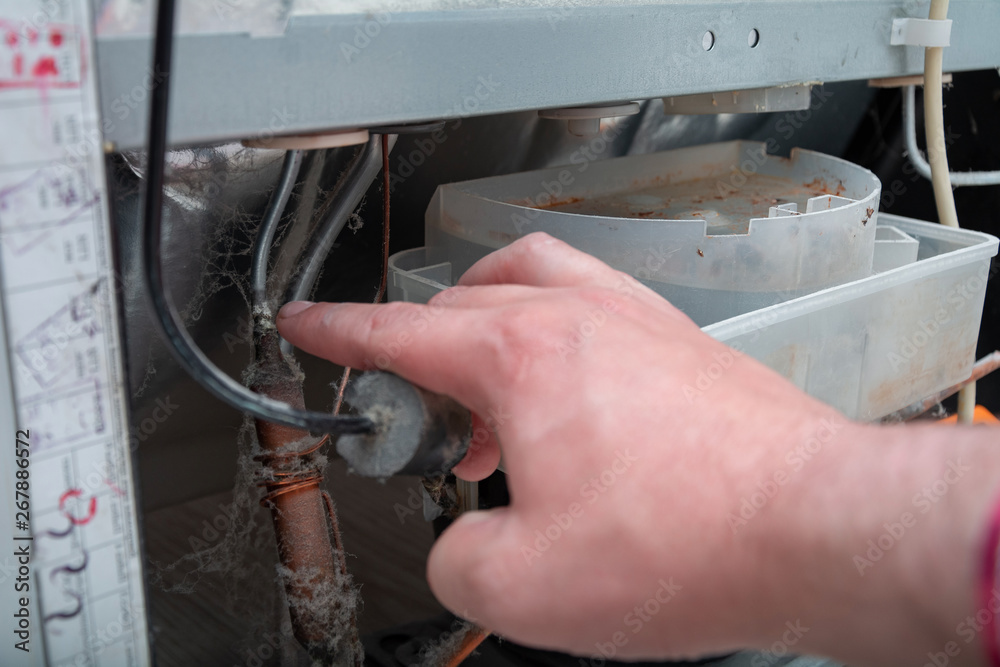
In today’s refrigerators, a closed-loop system circulates Freon through evaporator coils and compressors. As the Freon evaporates inside the coils, it absorbs heat. A compressor then pressurizes the gas, turning it back into a liquid and releasing the absorbed heat into the surrounding air.
Common Causes of Freon Leaks in Refrigerators
Understanding what triggers a Freon leak can help you avoid future headaches.
Wear and Tear Over Time
Like all mechanical systems, your refrigerator’s components degrade over the years. Tiny cracks and fissures can develop in the coils or tubing, providing an escape route for Freon.
Damage to the Compressor or Coils
Physical impacts, improper maintenance, or even aggressive cleaning can damage vital parts like the compressor or coils, creating vulnerabilities where Freon can seep out.
Manufacturing Defects You Should Know About
Even the best brands are not immune to the occasional production flaw. Poor soldering, subpar materials, or design weaknesses can leave your appliance susceptible to leaks from the outset.
How to Tell If Your Refrigerator Might Be Leaking Freon
Catching a Freon leak early can mean the difference between a simple repair and a major appliance failure.
The Most Obvious Warning Signs You Should Never Ignore
When your fridge stops cooling properly, emits strange smells, or your energy bills mysteriously climb, it’s time to consider a refrigerant issue.
Subtle Clues That Point to a Potential Freon Leak
Sometimes, the hints are more discreet: a faint chemical smell, a slight buildup of frost where there shouldn’t be, or food that just doesn’t stay fresh as long as it should.
Warning Sign 1: Your Refrigerator Is Not Staying Cold
When you notice drinks aren’t as crisp or leftovers spoil too soon, it could be a sign that Freon levels have dipped too low for effective cooling.
Why Temperature Fluctuations Are a Red Flag
A healthy refrigerator maintains a steady internal climate. If temperatures swing from chilly to lukewarm, it’s a strong indicator that your cooling system is compromised.
Warning Sign 2: Your Food Is Spoiling Faster Than Usual
No one wants to toss out groceries prematurely. A Freon leak disrupts your fridge’s ability to maintain a safe, cold environment, encouraging rapid food spoilage.
How Leaking Freon Affects Food Freshness
Reduced refrigerant levels mean less effective heat absorption, allowing bacteria and mold to flourish faster than they should.
Warning Sign 3: Your Refrigerator Motor Is Running Constantly
If your fridge seems to hum endlessly without pause, it’s likely struggling to reach the set temperature due to insufficient Freon.
What It Means When Your Fridge Never Seems to Turn Off
Continuous motor activity is not just a sign of inefficiency—it can also lead to motor burnout, compounding your repair costs.
Warning Sign 4: Ice Build-Up in Strange Places
Unexpected frost in areas like the refrigerator walls or back panel suggests irregular cooling—a common side effect of a Freon shortage.
How Frost Can Indicate a Bigger Refrigerant Problem
An imbalance in temperature regulation caused by low Freon can lead to moisture freezing in places it shouldn’t, signaling deeper mechanical troubles.
Warning Sign 5: An Unusual Chemical Smell Around Your Fridge
Freon has a distinct, slightly sweet chemical odor. Catching this scent near your refrigerator is a serious warning sign.
What Freon Smells Like and Why It’s Dangerous
Breathing in Freon can be hazardous to your health, leading to symptoms like dizziness, headaches, and respiratory issues.
Warning Sign 6: High Energy Bills With No Clear Reason
A Freon leak forces your refrigerator to expend more energy in a losing battle to stay cold, translating into elevated utility costs.
How Leaks Cause Your Refrigerator to Work Overtime
Without sufficient Freon, the compressor must operate longer and harder, drastically increasing your home’s electricity consumption.
Warning Sign 7: Hissing or Bubbling Noises from the Back
Strange noises such as hissing or bubbling often signify gas escaping from compromised lines.
Sounds That Could Mean a Freon Leak Is Happening
These auditory cues are your refrigerator’s distress call, alerting you to serious internal issues that demand swift attention.
Is a Freon Leak Dangerous to Your Health
Freon leaks pose genuine health threats. Prolonged exposure can result in nausea, breathing difficulties, and in extreme cases, organ damage.
Health Risks You Need to Be Aware Of
Inhaling concentrated Freon vapors displaces oxygen in the lungs, creating an asphyxiation hazard, particularly in enclosed spaces.
What to Do If You Suspect Exposure
Immediately ventilate the area, avoid direct contact, and seek professional help to repair the leak safely.
How a Freon Leak Can Lead to Expensive Repairs
Neglecting a Freon leak compounds the damage. Motors, compressors, and even internal wiring can fail under the strain, leading to prohibitively expensive repairs.
The Hidden Costs of Ignoring the Problem
Beyond immediate repairs, unchecked leaks can cause food loss, increased health risks, and reduced appliance lifespan.
Why Early Detection Saves You Money
Catching a leak in its infancy allows for inexpensive repairs before collateral damage spirals out of control.
Simple At-Home Tests to Detect a Potential Freon Leak
You can conduct preliminary checks such as feeling for uneven cooling, checking for oily residue near coils, or using electronic leak detectors available at hardware stores.
Safe Ways to Check Before Calling a Professional
Always unplug the appliance and work in a ventilated area. If you notice clear signs of a leak, cease all attempts and contact a technician.
When to Call a Professional for Refrigerator Repair
If your initial inspections reveal strong indicators of a leak, it’s time to bring in the experts.
Signs That It’s Time to Stop DIY and Get Help
Persistent warm temperatures, chemical odors, and visible frost buildup warrant immediate professional evaluation.
How Technicians Diagnose and Fix Freon Leaks
Certified technicians use advanced tools like UV dye, electronic leak detectors, and pressure gauges to pinpoint and repair leaks accurately.
Can You Fix a Freon Leak Yourself
Handling Freon demands specialized knowledge and certification.
What Repairs You Can Do and What to Leave to Experts
Simple tasks like cleaning coils are manageable, but refrigerant handling and system repairs must be entrusted to licensed professionals.
Why DIY Freon Handling Is Often Illegal
Refrigerants are regulated under federal law due to their environmental impact. Unauthorized handling can result in hefty fines and health risks.
How to Prevent Future Freon Leaks
Prevention is always more cost-effective than repair.
Regular Maintenance Tips for a Healthy Refrigerator
Keep condenser coils clean, avoid overpacking the fridge, and monitor door seals to maintain optimal operating conditions.
Best Practices for Extending the Life of Your Appliance
Schedule annual professional inspections, address small repairs promptly, and operate your refrigerator within recommended settings.
Choosing the Right Technician to Handle Freon Issues
Not all repair services are created equal.
What to Look for in a Refrigerator Repair Specialist
Seek technicians who are EPA-certified, have robust experience with your refrigerator model, and come with positive customer reviews.
Questions to Ask Before Hiring a Technician
Inquire about warranty policies, diagnostic fees, and whether they use original equipment manufacturer (OEM) parts.
Understanding Warranty Coverage for Freon-Related Problems
Warranty protection can soften the financial blow.
How to Check If Your Repair Might Be Covered
Review your manufacturer’s warranty or extended service plan for specifics regarding refrigerant leaks.
Common Warranty Limitations You Should Know
Many warranties exclude coverage for leaks caused by user damage, wear and tear, or unauthorized repairs.
How Much Does It Cost to Repair a Refrigerator Freon Leak
Understanding typical costs can help you budget accordingly.
Average Costs You Can Expect
Freon leak repairs typically range from $150 to $500, depending on the severity and the appliance’s age.
Factors That Can Make Repairs More Expensive
Costs climb if major components like the compressor or evaporator coils need replacement.
Is It Better to Repair or Replace Your Refrigerator
Sometimes, replacement is the wiser long-term choice.
When It’s Smarter to Invest in a New Appliance
If repair costs exceed half the price of a new fridge, especially for older models, replacement becomes more economical.
How to Weigh Repair Costs Against Replacement Costs
Consider appliance age, energy efficiency, repair history, and warranty status when making your decision.
Conclusion
Acting fast on Freon leaks is critical to protecting your home, your health, and your budget. Early detection and professional repairs prevent bigger problems down the road and keep your kitchen running smoothly. If you suspect your refrigerator might be leaking Freon, do not wait for the situation to escalate.
For expert refrigerator repair services you can trust, contact Zip Appliance and Plumbing Repair. Visit us at www.zipdoesplumbing.com or call us today at (661) 387-2282. We’re here to help you keep your appliances—and your peace of mind—in top shape!