How Summer Heat Affects Plumbing Systems in Bakersfield Safely
Protect your plumbing before the heat strikes—preventive care today keeps your pipes safe and your home stress-free all summer long. - Appliance Boss
Introduction
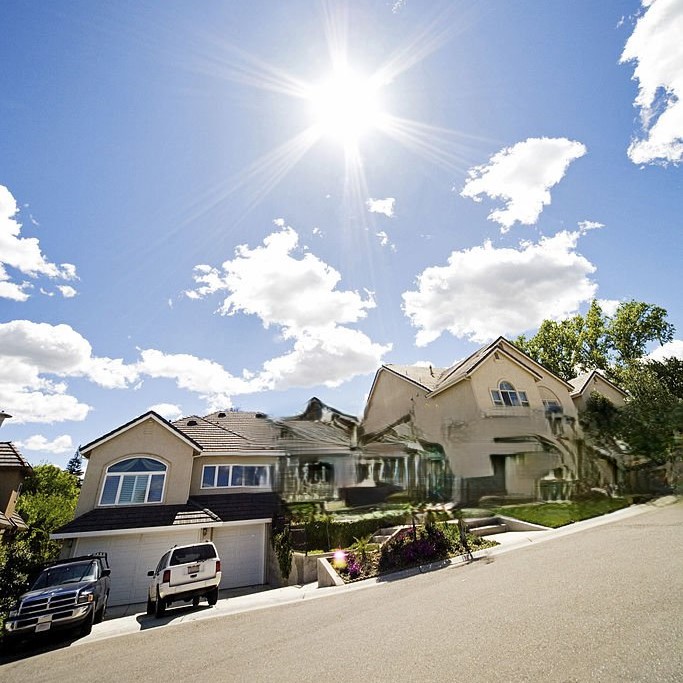
Bakersfield summers are notorious for soaring temperatures and relentless sun exposure. While residents enjoy the warmth, the heat can silently wreak havoc on home plumbing systems. Pipes, fixtures, and water heaters all endure thermal stress that, over time, can compromise performance and longevity. Understanding how extreme heat affects plumbing is crucial to safeguarding your home and avoiding costly repairs.
Why Bakersfield's High Temperatures Pose Risks to Plumbing Systems
High ambient temperatures create a cascade of issues for plumbing systems. Water inside pipes can expand rapidly, creating pressure spikes. Metal and plastic components are subjected to constant thermal stress, weakening joints and connections. Prolonged heat exposure accelerates wear, making even minor leaks more likely to escalate into major problems.
The Science Behind Heat Stress on Pipes and Fixtures
Heat stress occurs when materials expand and contract repeatedly, leading to microfractures and compromised integrity. Metal pipes may warp, while PVC and PEX components can soften or deform. Even valves, seals, and gaskets are susceptible to heat-induced degradation. The interplay between heat and water pressure further amplifies stress on your system.
How Heat Expands and Contracts Pipes: What Homeowners Need to Know
Water expands when heated, and pipes do too. This cyclical expansion and contraction can loosen fittings, create pinhole leaks, or even cause bursts in older plumbing. Recognizing that seemingly minor temperature fluctuations can have cumulative effects is key to prevention. Proper allowance for expansion, such as expansion joints or loops, can mitigate damage.
Common Plumbing Problems Caused by Bakersfields Summer Heat
Bakersfield homeowners often encounter:
Burst or cracked pipes
Leaky fittings and valves
Water heater malfunctions
Low water pressure
Corroded metal pipes
Increased mineral buildup in faucets and showers
Understanding these risks allows proactive maintenance before emergencies occur.
Signs Your Plumbing System Is Struggling in Extreme Heat
Watch for early warning signs, including:
Unusual dripping sounds or water pooling
Inconsistent water pressure
Foul odors from stagnant water
Hot water heater cycling unusually
Visible warping or discoloration on exposed pipes
Early detection reduces repair costs and prevents catastrophic failures.
How Water Pressure Fluctuations Can Damage Pipes During Hot Weather
Rapid expansion of water due to heat spikes internal pressure, stressing pipes. Pressure surges can loosen joints, rupture weaker sections, or strain valves. Installing pressure regulators and regularly checking water pressure helps maintain system integrity during heatwaves.
The Role of Pipe Material in Heat Resistance and Durability
Different materials respond to heat differently. Copper and stainless steel handle high temperatures well but may corrode over time. PVC and PEX are flexible but can soften if exposed to prolonged heat. Selecting appropriate pipe material based on climate conditions significantly reduces heat-related plumbing issues.
Leaks, Cracks, and Bursts: Summer Heat Consequences for Plumbing
Pipes under heat stress may develop leaks, small cracks, or sudden bursts. Even minor fractures can lead to water damage, mold growth, and structural issues. Vigilance and preventive measures are critical to mitigate these hazards.
How Heat Accelerates Corrosion and Mineral Buildup
High temperatures accelerate chemical reactions in water, intensifying corrosion in metal pipes. Minerals precipitate more rapidly, leading to limescale deposits in faucets, showerheads, and heaters. Regular descaling and water treatment help reduce long-term damage.
Preventing Pipe Expansion Damage with Proper Insulation
Insulating pipes shields them from extreme temperature swings, reducing expansion stress. Foam sleeves, heat-resistant wraps, or reflective insulation around outdoor and exposed pipes preserve structural integrity. Insulation also enhances energy efficiency and lowers cooling or heating costs.
Tips for Maintaining Water Heaters During Bakersfields Hot Months
Water heaters are particularly vulnerable in summer:
Check thermostat settings to prevent overheating
Flush sediment buildup monthly to maintain efficiency
Inspect pressure relief valves for proper function
Ensure proper ventilation around the unit to avoid heat buildup
Regular maintenance prolongs the heater’s lifespan and prevents sudden failures.
Protecting Outdoor Plumbing Systems from Sun and Heat Exposure
Outdoor faucets, irrigation lines, and hose bibs are at high risk from direct sunlight. Protective measures include:
Installing shade structures or pipe covers
Using UV-resistant materials
Monitoring for cracks or leaks regularly
These steps reduce thermal stress and prevent outdoor plumbing emergencies.
How Lawn Irrigation Systems Can Strain Plumbing in High Temperatures
Excessive irrigation during heatwaves can increase water pressure and exacerbate pipe stress. Using timers, pressure regulators, and proper scheduling prevents strain. Overwatering also contributes to soil erosion, which may shift underground pipes and joints.
Emergency Measures for Overheated or Damaged Plumbing
If a pipe bursts or a system overheats:
Shut off the main water supply immediately
Relieve internal pressure safely
Remove valuables from affected areas
Contact a licensed plumber for assessment
Acting quickly minimizes water damage and prevents further complications.
Routine Maintenance Schedule to Keep Plumbing Safe in Summer
A structured maintenance routine includes:
Weekly: inspect exposed pipes and fixtures
Monthly: clean aerators, flush water heaters
Quarterly: test water pressure and check for leaks
Annually: professional inspection of entire plumbing system
Consistency ensures reliability throughout the hottest months.
DIY vs Professional Plumbing Inspections: What Works Best
Routine visual checks can be performed by homeowners, but professionals detect hidden issues like microcracks, corroded fittings, or pressure anomalies. Combining DIY vigilance with annual professional inspections offers the most comprehensive protection.
Smart Plumbing Technology and Sensors for Heat Detection
Modern systems include sensors that detect:
Excessive water temperature
Pressure spikes
Unusual flow patterns
Smart plumbing alerts homeowners to potential heat-related issues before they escalate into emergencies.
Choosing Heat-Resistant Pipes and Fixtures for Long-Term Protection
Selecting high-quality, heat-tolerant materials for new installations or replacements is an investment in longevity. Copper, stainless steel, and specially rated PEX reduce the likelihood of heat-induced damage. Durable fixtures and valves also withstand thermal expansion, minimizing maintenance needs.
Seasonal Habits to Minimize Heat Impact on Your Plumbing System
Schedule irrigation during cooler hours
Keep indoor water running minimally during peak heat
Shade exposed plumbing areas
Flush water heaters at season start and end
Adapting habits to seasonal conditions significantly reduces heat stress on plumbing.
Energy Efficiency and Plumbing Safety During Bakersfields Summer
Proper maintenance not only safeguards plumbing but also reduces energy consumption. Efficient water heaters, insulated pipes, and regular descaling lower utility bills while preserving system health. Energy-conscious practices support both your wallet and your plumbing system.
How Proper Ventilation and Shade Can Reduce Heat Stress on Pipes
Good airflow prevents heat accumulation around pipes and fixtures. Ventilated cabinets, shaded outdoor lines, and reflective barriers all help dissipate heat. Combined with insulation, these strategies maintain system stability even in extreme temperatures.
Preparing Your Home for Extreme Heat to Prevent Plumbing Emergencies
Proactive preparation includes:
Inspecting and insulating all exposed pipes
Checking pressure relief valves
Maintaining irrigation systems responsibly
Scheduling professional inspections before peak summer
Prepared homes face fewer emergencies and recover faster from heat-related issues.
Creating a Summer Plumbing Safety Plan for Bakersfield Homeowners
A comprehensive plan outlines:
Regular inspection routines
Emergency shut-off procedures
Professional maintenance schedule
Seasonal adjustments for irrigation and water heaters
Documenting and adhering to this plan ensures plumbing resilience throughout the hottest months.
Conclusion: Protecting Your Plumbing System Safely Through the Hottest Months
Bakersfield summers present unique challenges for home plumbing systems. Extreme heat can expand, corrode, and stress pipes and fixtures, leading to leaks, bursts, and reduced efficiency. Implementing preventive measures—routine maintenance, proper insulation, smart sensors, and heat-resistant materials—keeps your plumbing reliable and safe. For expert plumbing support in Bakersfield, contact Zip Does Plumbing at (661) 370-2701 or visit www.zipdoesplumbing.com to schedule service and protect your home’s plumbing safely through the hottest months.