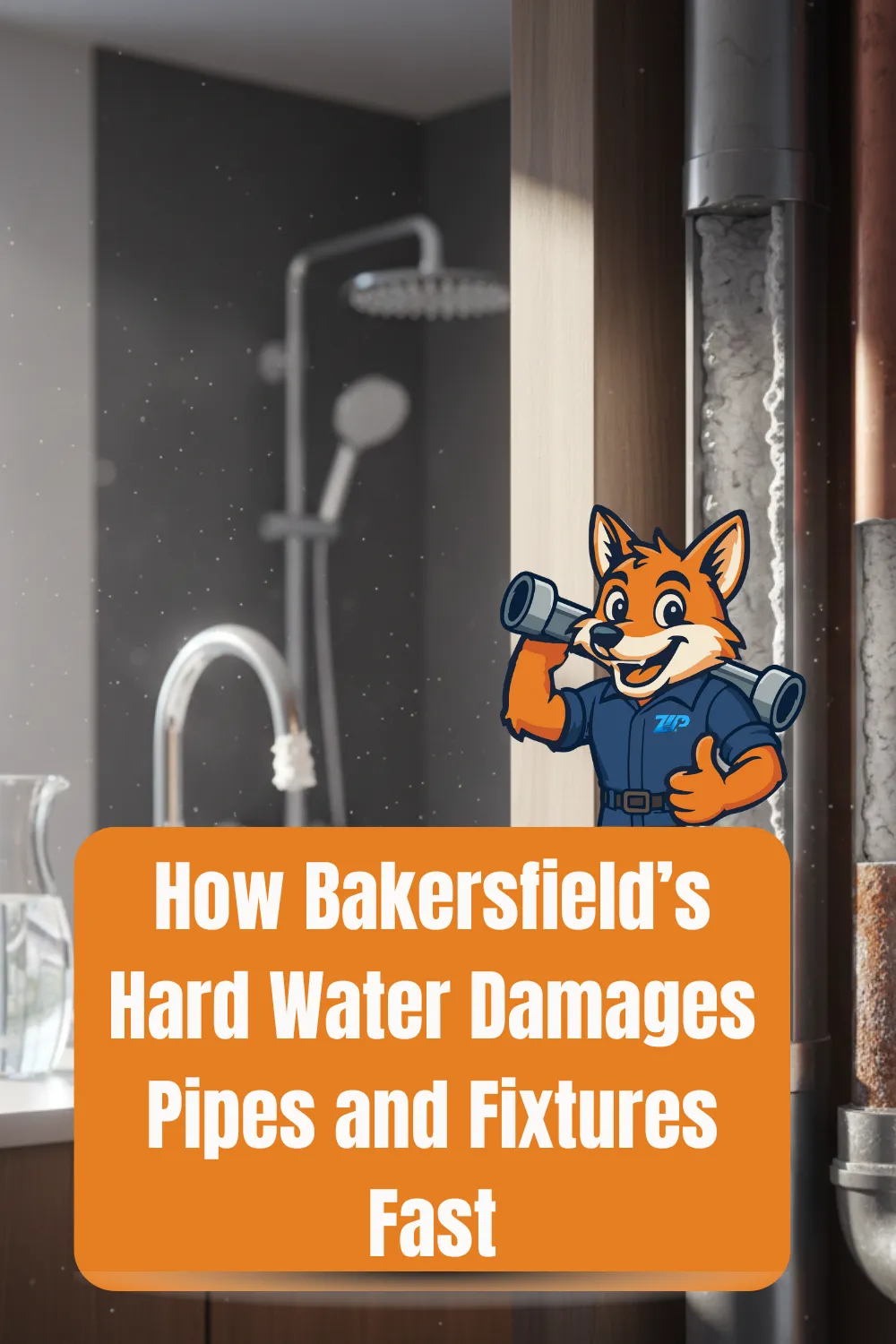
How Bakersfield’s Hard Water Damages Pipes and Fixtures Fast
Hard water may look harmless, but in Bakersfield it quietly damages pipes and fixtures fast—protect your home before the problem escalates. - Appliance Boss
Introduction to Bakersfield’s Hard Water Problem
Bakersfield is known for its sunny skies, thriving agriculture, and, unfortunately, a persistent hard water problem. Homeowners here often face the invisible menace of mineral-laden water that silently wreaks havoc on plumbing and fixtures. While the water may look clean and feel refreshing, the hidden deposits of calcium and magnesium can create costly damage over time. Understanding this issue is the first step in protecting your home.
Why Hard Water Is Common in Bakersfield
The water in Bakersfield originates from underground aquifers, rivers, and reservoirs. These water sources naturally pick up minerals as they travel through soil and rock layers. Unlike soft water, which contains few minerals, Bakersfield’s water is rich in calcium and magnesium. This makes it “hard” and prone to causing scale buildup and other plumbing headaches.
Understanding Hard Water: What It Really Means
Hard water is defined by the high concentration of dissolved minerals. While it is not harmful to drink, these minerals leave behind deposits called limescale. Hard water does not necessarily make water taste bad, but it creates unseen problems in pipes, fixtures, and appliances.

The Minerals Behind Hard Water: Calcium and Magnesium
Calcium and magnesium are the main culprits behind hard water. Calcium contributes to scale formation, which can coat pipes and appliances. Magnesium, while slightly softer, still accelerates buildup and corrosion. Together, they create a mineral cocktail that slowly damages plumbing systems.
How Hard Water Affects Your Home Plumbing System
Hard water exerts pressure on plumbing systems in subtle ways. Over time, scale builds up inside pipes, restricting water flow. Joints and fittings experience added stress, increasing the risk of leaks and cracks. Even seemingly minor issues can escalate into expensive repairs if left unchecked.
How Bakersfield’s Hard Water Damages Pipes and Fixtures Fast
The minerals in hard water precipitate quickly, sticking to pipe walls and fixture surfaces. Faucets, showerheads, and even toilet mechanisms begin to show signs of deterioration sooner than expected. This rapid accumulation accelerates corrosion, decreases efficiency, and shortens the lifespan of household plumbing.
The Science of Scale Buildup in Pipes
Scale, also known as limescale, forms when calcium and magnesium ions crystallize. These deposits adhere tightly to pipe interiors, narrowing passages and reducing water flow. Over time, this can create stubborn blockages, forcing water to exert extra pressure, which stresses plumbing components.
Early Signs Your Pipes Are Suffering from Hard Water
Indicators of hard water damage include reduced water pressure, cloudy water, and visible mineral deposits around faucets. You may also notice increased frequency of clogs or slow-draining sinks. Catching these signs early can prevent expensive repairs.
How Hard Water Reduces Water Flow and Pressure
Mineral buildup constricts pipe diameters, reducing the volume of water that flows through. This often leads to inconsistent water pressure throughout the home. Showers may sputter, washing machines take longer to fill, and dishwashers may underperform—all classic signs of hard water interference.
The Hidden Cost of Hard Water on Plumbing Efficiency
Beyond visible damage, hard water increases the energy needed to heat water. Deposits on water heaters act as insulators, forcing heating elements to work harder. This inefficiency results in higher utility bills and faster wear on appliances.
How Fixtures Pay the Price: Faucets, Showerheads, and More
Faucets and showerheads accumulate mineral deposits, which can block spray holes and reduce water flow. Toilet tanks develop crusty deposits that affect flushing mechanisms. Even sinks and tubs may exhibit stubborn white stains that are difficult to remove without harsh chemicals.
Why Stainless Steel and Copper Pipes Are Not Immune
While stainless steel and copper resist corrosion better than iron, they are not invulnerable. Over time, hard water can erode protective layers and cause pitting, ultimately compromising the structural integrity of these pipes.
The Role of Temperature: Hot Water Accelerates Damage
Hot water intensifies mineral precipitation, causing faster scale formation in water heaters, boilers, and hot water pipes. Homes that frequently use high-temperature water may experience accelerated damage, making it crucial to monitor water temperature and consider softening solutions.
How Sediment and Scale Contribute to Blockages
Sediment from hard water often mixes with soap scum, creating stubborn clogs in drains and fixtures. These blockages are more difficult to clear than ordinary debris and can lead to expensive plumbing interventions.
Common Areas Where Damage Shows First in Homes
Damage from hard water typically appears in high-use areas. Kitchens, bathrooms, and laundry rooms show the earliest signs, such as slow drains, reduced water pressure, and mineral buildup on faucets. Early intervention in these areas can save homeowners significant costs.
How Hard Water Affects Appliance Lifespan
Dishwashers, washing machines, water heaters, and coffee makers are especially vulnerable. Scale buildup reduces efficiency, causes overheating, and may trigger premature failure. Replacing appliances frequently due to hard water damage becomes a recurring expense.
Spotting Corrosion and Leaks Caused by Hard Water
Hard water accelerates corrosion in metal pipes, often leading to pinhole leaks and rust-colored water. Homeowners should regularly inspect exposed pipes, under-sink areas, and water heaters for early signs of corrosion.
Health and Safety Concerns Linked to Hard Water Damage
While hard water is generally safe to drink, the damage it causes can indirectly impact safety. Leaks and burst pipes can create mold growth, water damage, and structural issues. Proper maintenance reduces these risks.
DIY Checks to See If Your Pipes Are Affected
Simple tests can reveal hard water issues: check for white crust around faucets, test water hardness with strips, and monitor water pressure. Regular inspections allow homeowners to take action before damage escalates.
Preventive Measures to Protect Pipes and Fixtures
Routine cleaning, descaling, and minor plumbing adjustments help prolong pipe and fixture life. Using filters or installing water softeners are effective long-term solutions to mitigate hard water impact.
Water Softeners and Treatment Options Explained
Water softeners replace calcium and magnesium ions with sodium or potassium, preventing scale buildup. Other treatments include reverse osmosis systems and chemical conditioners. Choosing the right method depends on water hardness and household needs.
Choosing the Right Solution for Your Bakersfield Home
Evaluate water usage, pipe materials, and appliance sensitivity before selecting a treatment. Professional consultation ensures the system fits your home, protects your plumbing, and improves overall water quality.
Regular Maintenance Tips to Slow Down Damage
Flush water heaters, clean faucet aerators, and inspect pipes regularly. Even small preventive steps can dramatically reduce the speed at which hard water damages pipes and fixtures.
Cost Implications of Ignoring Hard Water Damage
Ignoring hard water can lead to costly repairs, premature appliance replacement, and higher utility bills. The cumulative financial impact often exceeds the investment in preventive measures.
Expert Advice on Handling Severe Pipe Damage
When pipes are heavily corroded or blocked, professional plumbing intervention is essential. Experts can remove scale, replace damaged sections, and install treatment systems to prevent future issues.
Conclusion: Protecting Your Home from Hard Water Fast
Bakersfield’s hard water is a silent but relentless threat to your plumbing and fixtures. Early detection, preventive maintenance, and effective treatment solutions are the keys to safeguarding your home. Acting now ensures your pipes and appliances remain efficient, functional, and long-lasting. For professional assistance and reliable solutions, trust Zip Does Plumbing. Visit our website at www.zipdoesplumbing.com or call us directly at (661) 370-2701 to protect your home from hard water damage today.