Common Plumbing Mistakes Homeowners Make & Fixes That Work
"Avoiding common plumbing mistakes isn’t just about saving money—it’s about protecting your home, preventing costly damage, and keeping everything flowing smoothly." - Appliance Boss
Introduction
Plumbing issues are an inevitable part of homeownership, but many of them stem from common mistakes that could have been easily avoided. Whether it’s a small leak that seems harmless or a DIY repair gone wrong, these errors can lead to expensive repairs and even structural damage. Understanding these common pitfalls and knowing how to fix them can save homeowners significant time, money, and frustration.
The Costly Consequences of Plumbing Mistakes
What starts as a minor drip or slow drain can escalate into a costly catastrophe if left unchecked. Water damage can compromise drywall, flooring, and even a home's foundation. Mold and mildew thrive in damp environments, creating health hazards. Neglected plumbing issues don’t just affect your home's integrity—they can also lead to skyrocketing water bills and unnecessary energy waste.
How Small Errors Can Lead to Major Repairs
A poorly tightened fitting, an overused drain cleaner, or an ignored leak may seem like minor oversights, but they can have significant long-term effects. Over time, these small errors put strain on your plumbing system, leading to pipe bursts, water contamination, and costly replacements.
The Importance of Learning Proper Plumbing Care
Being proactive about plumbing maintenance is essential. Homeowners who understand how their plumbing system works and take preventive measures can avoid major disasters. Simple habits, such as checking for leaks regularly, using appliances correctly, and knowing when to call a professional, can keep plumbing systems running smoothly for years.
Ignoring Small Leaks: A Drip Today, a Disaster Tomorrow
Why Even Minor Leaks Can Lead to Major Water Damage
A slow drip may not seem like a big deal, but over time, even the smallest leaks can lead to structural damage, wood rot, and mold growth. A leaky faucet can waste hundreds of gallons of water annually, increasing utility bills. More importantly, hidden leaks behind walls or under sinks can compromise the integrity of a home.
How to Detect Hidden Leaks Before They Escalate
To catch leaks early, homeowners should check under sinks, behind toilets, and around appliance connections regularly. Water stains on walls or ceilings, damp cabinets, or an unexplained increase in water bills are warning signs of hidden leaks. Placing food coloring in a toilet tank can help detect silent leaks—if the color appears in the bowl without flushing, a repair is needed.
Simple DIY Fixes for Common Household Leaks
For minor leaks, tightening connections or replacing worn-out washers can often resolve the issue. Plumber’s tape or pipe sealant can provide a temporary fix until a more permanent solution is implemented. For hidden leaks, shutting off the main water supply and calling a professional is the safest approach.
Using Too Much Drain Cleaner: The Hidden Dangers
How Chemical Cleaners Damage Pipes Over Time
Harsh chemical drain cleaners contain corrosive ingredients that can eat away at pipes, leading to leaks and weakening the plumbing system. Over time, frequent use can cause permanent damage, especially to older or PVC pipes.
Safe and Effective Alternatives to Harsh Drain Cleaners
Instead of relying on chemical solutions, try using a combination of baking soda and vinegar to break up minor clogs. A drain snake or plunger can also help remove blockages without causing damage. Installing drain screens can prevent hair and debris from clogging pipes in the first place.
The Right Way to Clear a Clog Without Harming Your Plumbing
For stubborn clogs, manually removing debris with a plumbing auger is more effective and safer than using chemicals. Flushing drains regularly with hot water and dish soap can help prevent buildup. If multiple drains in the home are slow, the issue may be deeper in the sewer line, requiring professional attention.
Flushing the Wrong Things Down the Toilet
The Worst Offenders: What Should Never Go Down the Toilet
Toilets are designed for human waste and toilet paper—nothing more. Flushing items like baby wipes, cotton swabs, paper towels, feminine hygiene products, and cooking grease can lead to major blockages. Even "flushable" wipes do not break down easily and can accumulate in pipes.
How Improper Flushing Leads to Stubborn Blockages
Unlike toilet paper, most household items don’t dissolve in water. These materials can get caught in pipes, leading to backups and costly plumbing repairs. In severe cases, blockages can cause sewage to back up into the home.
Easy Habits to Prevent Costly Toilet Repairs
A simple rule: If it’s not waste or toilet paper, don’t flush it. Placing a small trash bin in the bathroom can prevent improper disposal. Regularly using an enzyme-based drain cleaner can help break down minor buildup before it becomes a major problem.
Over-Tightening Plumbing Connections: When Too Much is Too Much
How Excessive Force Damages Fittings and Pipes
Many homeowners assume that the tighter a connection, the better the seal. However, over-tightening pipes and fittings can actually crack seals and damage threads, leading to leaks.
The Right Way to Tighten Connections Without Causing Leaks
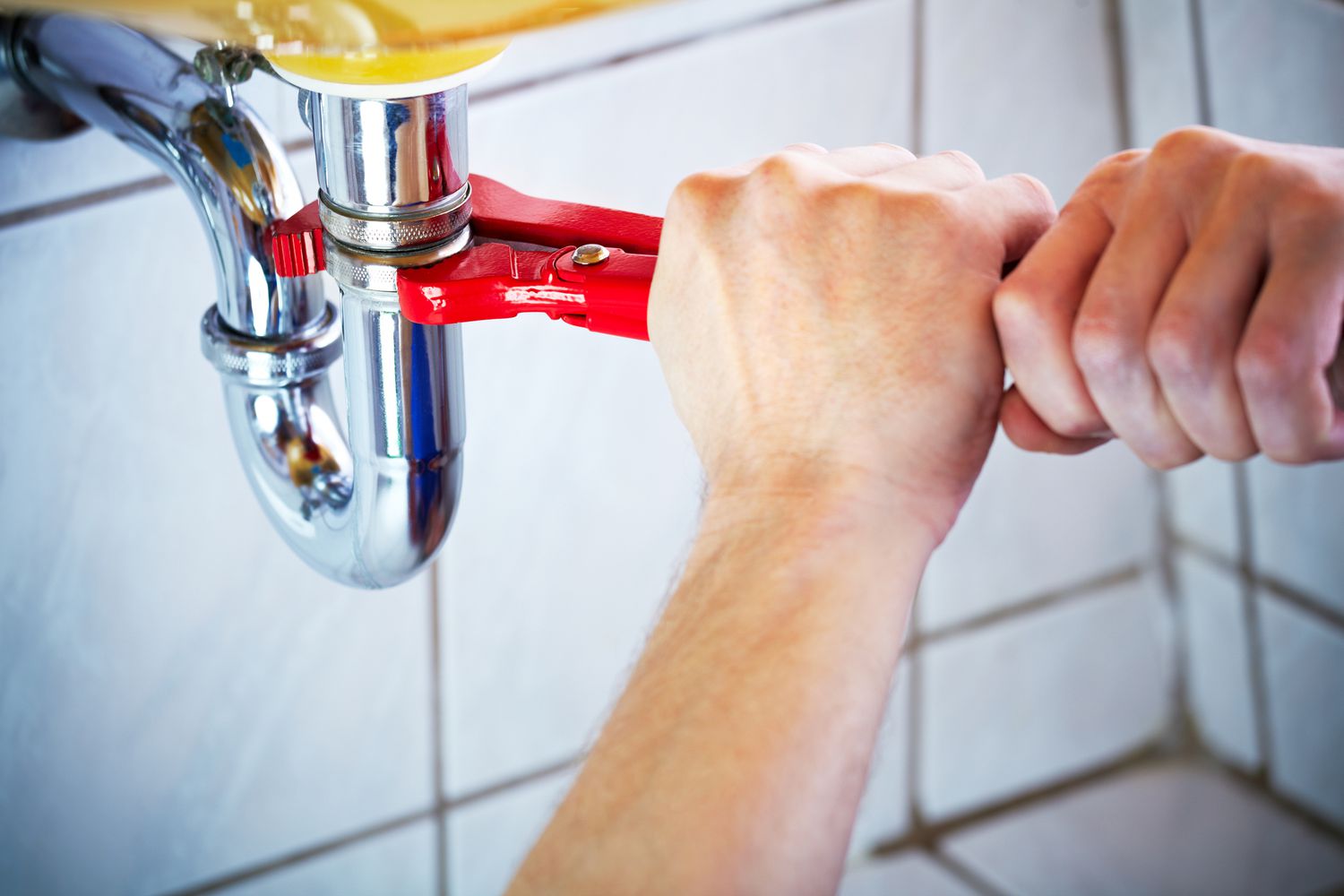
Hand-tightening followed by a slight turn with a wrench is usually sufficient. Using plumber’s tape on threaded connections can help create a tight seal without excessive force.
When to Use Thread Seal Tape for a Secure Seal
Thread seal tape, also known as Teflon tape, is ideal for threaded connections like showerheads and pipe fittings. Applying a few wraps in the correct direction (clockwise) helps prevent leaks while allowing for easy disassembly if needed.
Ignoring Low Water Pressure: A Sign of Bigger Issues
Common Causes of Low Water Pressure in Homes
Sediment buildup, pipe corrosion, partially closed shut-off valves, or municipal supply issues can all contribute to low water pressure. In some cases, leaks within the plumbing system can also be a culprit.
Quick Fixes to Improve Water Flow in Faucets and Showers
Cleaning aerators and showerheads with vinegar can remove mineral buildup. Checking the main shut-off valve and ensuring it's fully open can also help. If pressure remains low throughout the house, contacting a plumber may be necessary.
When Low Pressure Signals a Need for Professional Help
If pressure suddenly drops or affects multiple fixtures, the issue could stem from a hidden leak, a failing pressure regulator, or municipal water supply problems. A professional plumber can diagnose and resolve the root cause.
Conclusion
Plumbing mistakes are easy to make, but with proper knowledge and proactive maintenance, homeowners can avoid costly repairs and unnecessary headaches. Simple habits, such as checking for leaks, using appliances correctly, and avoiding chemical drain cleaners, can significantly extend the lifespan of a home's plumbing system.
When issues arise that are beyond a homeowner’s expertise, seeking professional help is the best course of action. At Zip Appliance and Plumbing Repair, we specialize in fast, reliable plumbing services to keep your home running smoothly. Whether it’s leak detection, drain cleaning, or fixture installation, our experienced team is here to help.
For expert plumbing solutions, call us at (661) 387-2282 or visit www.ziprepairservice.com today!