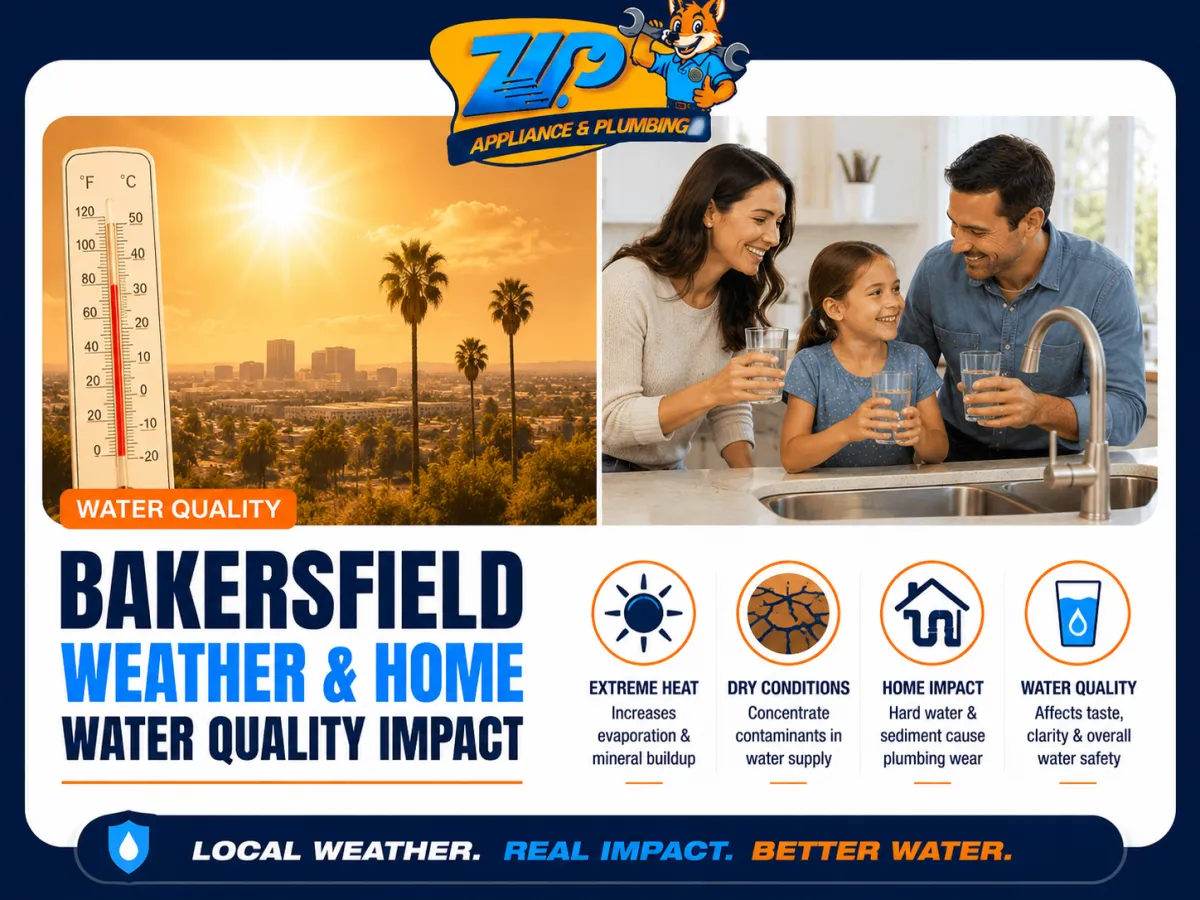
Bakersfield Weather & Home Water Quality Impact
Water Quality, Bakersfield Weather, Home Water Safety
How Bakersfield's Extreme Weather Can Affect Your Home's Water Quality
From scorching summers to sudden storms, Bakersfield's weather is becoming more unpredictable—and that volatility can quietly change what flows from your taps. Understanding how extreme weather events influence local water quality is one of the most important steps you can take to protect your home water safety, and your family’s health.
Extreme weather changes can alter what’s in your tap water—even when it still looks clear.
Bakersfield’s hotter, drier, and stormier climate affects rivers, reservoirs, and groundwater that supply your home.
Simple home steps—like filtration, testing, and plumbing maintenance—can greatly improve water safety.
Bakersfield Weather: More Extreme Than It Used to Be
Bakersfield has always been known for hot, dry summers and relatively mild winters. However, in recent years, residents have noticed stronger heat waves, longer dry spells, and intense but brief rain events. These patterns are not just uncomfortable; they are part of a broader climate impact that is reshaping how water moves through the region’s rivers, reservoirs, and groundwater basins.
Extended droughts lower reservoir levels and strain groundwater supplies, while sudden storms can overwhelm drainage systems and stir up contaminants. When you combine high temperatures, low rainfall, and occasional flooding, you create a perfect storm for water quality challenges throughout Kern County—and eventually at the tap in your Bakersfield home.
Hotter summers and longer heat waves dry out soils and shrink reservoirs.
Longer dry spells increase reliance on groundwater, changing mineral and contaminant levels.
Sudden, intense storms can wash pollutants into canals and rivers in a short time.
💡 Pro Tip: Pay attention not only to daily Bakersfield weather forecasts, but also to seasonal outlooks. Shifts toward hotter, drier, or stormier seasons often signal changing risks to home water safety. If you’re unsure how these changes may be affecting your plumbing, a local expert like Zip Does Plumbing can inspect your system and answer questions about water safety.
How Extreme Heat Influences Local Water Quality
One of the most visible features of Bakersfield weather is intense summer heat. High temperatures do more than drive up energy bills—they also change the chemistry and biology of local water sources. As surface water warms, oxygen levels drop, which can stress aquatic life and promote the growth of algae and bacteria. Warmer water can also accelerate chemical reactions, allowing certain contaminants to dissolve or move more readily through soil and pipes.
For homeowners, this can translate into subtle but important changes. You may notice stronger chlorine odors as utilities adjust treatment to keep up with microbial growth. In some cases, algae blooms upstream can contribute to earthy or musty tastes in tap water. While treated municipal water is monitored, the combination of heat and lower water levels can make it harder for systems to maintain ideal conditions, especially during prolonged heat waves that are increasingly linked to broader climate impact trends. If you’re experiencing persistent taste or odor issues, consider adding a certified point-of-use water filtration system or scheduling a plumbing evaluation through Zip Does Plumbing to rule out in-home plumbing problems.
Warmer water can boost algae and bacteria growth, affecting taste and odor.
Lower water levels make it harder for utilities to maintain ideal treatment conditions.
Home solutions like point-of-use filters and plumbing inspections can address lingering issues.
Drought, Groundwater Stress, and Home Water Safety
Drought is one of the most significant extreme weather effects in the Central Valley. When rain and snowpack are scarce, communities lean more heavily on groundwater. Bakersfield and the surrounding areas already depend extensively on wells, and during multi-year droughts, those aquifers are drawn down faster than they can naturally recharge. As water levels fall, the concentration of certain minerals and contaminants can rise, affecting both municipal systems and private wells.
Hardness and minerals: Lower groundwater levels often mean higher concentrations of calcium, magnesium, and other minerals. While not usually a direct health threat, they can cause scale buildup in pipes, water heaters, and appliances, indirectly affecting home water safety by damaging plumbing and fixtures.
Nitrates and agricultural runoff: Bakersfield is surrounded by agriculture. During drought, less surface water dilutes fertilizers and animal waste that seep into groundwater. This can increase the risk of water contamination from nitrates, especially in shallow or older wells.
Deeper, older water: As levels drop, wells may draw from deeper layers where naturally occurring contaminants like arsenic or chromium can be more concentrated. Long-term exposure to these elements is a serious water quality concern.
These issues illustrate how the climate impact of prolonged drought does not just mean “less water.” It also means different water —with changing chemistry that can challenge existing treatment systems and home plumbing. If you suspect hard water or mineral buildup is affecting your fixtures, talk with a licensed plumber at Zip Does Plumbing about solutions like a whole-home water softener or filtration systems.
Drought increases groundwater use, which can raise mineral and contaminant levels.
Hard water and scale buildup can damage plumbing and reduce appliance life.
Agricultural runoff and deeper well water can introduce nitrates, arsenic, and other contaminants.
When Storms Hit: Flooding, Runoff, and Sudden Water Contamination
On the other end of the spectrum, Bakersfield sometimes experiences intense storms, especially when remnants of Pacific systems or atmospheric rivers move inland. After long dry periods, soil is often compacted, and urban surfaces are covered in dust, oils, and debris. When heavy rain finally comes, it tends to run off quickly rather than soaking in, washing pollutants into storm drains, canals, and rivers in a short burst.
This runoff can carry:
Pesticides and fertilizers from lawns, gardens, and nearby farms
Oil, fuel, and heavy metals from streets and parking lots
Sediment and organic matter that cloud the water and fuel bacterial growth
Water utilities are designed to handle these swings, but extreme events—especially those becoming more common with ongoing climate impact —can stretch systems to their limits. In rare cases, damage to infrastructure or overwhelmed treatment plants may lead to temporary boil-water advisories or changes in taste and odor. Even when municipal water remains within regulatory standards, homeowners may notice cloudiness or sediment in their tap water after major storms, raising understandable home water safety concerns.
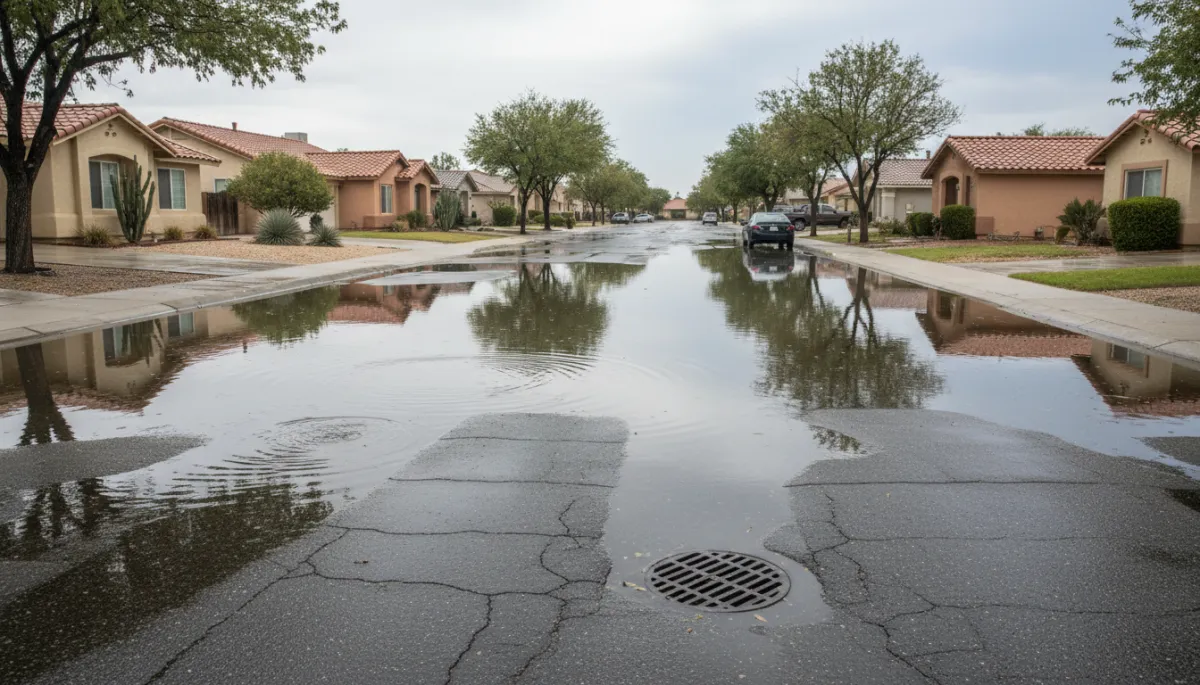
Intense storms can wash urban pollutants into waterways, challenging local water treatment.
First heavy rains after dry spells often carry the highest loads of urban and agricultural pollution.
Short-term changes like cloudiness, sediment, or unusual taste can follow big storms.
Boil-water advisories may occasionally be issued if systems are overwhelmed or damaged.
Aging Infrastructure Meets Extreme Weather Effects
Many neighborhoods in Bakersfield rely on water mains, service lines, and home plumbing that were installed decades ago. As pipes age, they become more vulnerable to the stress of extreme weather effects . Heat can cause the ground to expand and contract, while sudden saturation during storms can shift soil and put additional pressure on buried lines. These movements increase the risk of leaks and breaks that can allow contaminants to enter the system or cause drops in water pressure that compromise home water safety .
Inside the home, older galvanized or corroded pipes can release metals into your drinking water, particularly if water chemistry changes due to drought or treatment adjustments. For example, shifts in pH or mineral content driven by Bakersfield weather conditions can alter how aggressively water interacts with pipe materials. Over time, that can lead to elevated levels of lead, copper, or other metals at the tap, even if the water leaving the treatment plant meets all standards.
📌 Key Takeaway: Weather does not just affect rivers and reservoirs—it also stresses the pipes that carry water to and through your home, potentially changing what ends up in your glass. Regular plumbing inspections and upgrades from a trusted local provider like Zip Does Plumbing can help keep your system resilient.
Aging pipes plus shifting soil from heat and storms can lead to leaks and breaks.
Changes in water chemistry can increase corrosion and metal release inside your home.
Regular inspections and upgrades help keep your plumbing safe as conditions change.
Understanding Water Contamination Risks in a Changing Climate
Not every shift in water quality is dangerous, and not every weather event leads to water contamination . But the combination of hotter days, longer dry periods, and more intense storms associated with global climate impact can increase the range of potential risks. For Bakersfield residents, the most relevant contaminants influenced by weather include:
Microbial contaminants: Heavy rainfall and flooding can introduce bacteria, viruses, and parasites into surface waters. While treatment systems target these, extreme events can briefly raise levels or cause localized issues, especially for private wells.
Chemical runoff: Pesticides, herbicides, and industrial chemicals can be washed from land into waterways during storms or slowly leach into groundwater during drought, contributing to long-term water contamination concerns.
Nutrient loading: Nitrogen and phosphorus from fertilizers can fuel algae blooms in reservoirs and canals, affecting taste, odor, and potentially producing harmful byproducts if not carefully managed.
For households on private wells—a reality for many properties on the outskirts of Bakersfield—these weather-driven risks are even more direct. Unlike municipal systems, private wells are not routinely monitored by the city, so it is up to homeowners to test regularly, especially after significant storms, flooding, or long drought periods. In a warming world, the old assumption that “if it looks clear, it must be safe” is no longer reliable for assessing home water safety . Partnering with a professional plumber who understands local conditions—such as Zip Does Plumbing —can help you interpret test results and choose the right water treatment system for your home.
Weather can influence microbes, chemicals, and nutrients that affect both health and taste.
Private wells are especially vulnerable because they are not routinely monitored by the city.
Regular testing and expert guidance are key to understanding your true risk.
Practical Steps to Protect Home Water Safety in Bakersfield
The good news is that you are not powerless against the extreme weather effects shaping Bakersfield’s water resources. With a few proactive measures, you can significantly improve your confidence in the water you drink, cook with, and bathe in at home—even as climate impact continues to evolve.
1. Stay Informed About Local Water Quality Reports
Bakersfield’s water providers publish annual Consumer Confidence Reports (CCRs) that summarize testing results and highlight any violations or emerging concerns. Make it a habit to read these reports each year, and pay special attention to any notes about drought, storm impacts, or infrastructure upgrades. When major weather events occur, check utility websites or local news for advisories related to water quality or usage restrictions. If you’re unsure how to interpret these reports or what they mean for your plumbing, the team at Zip Does Plumbing can help you understand your options.
Read your annual Consumer Confidence Report (CCR) from local water providers.
Watch for advisories after major weather events like storms or droughts.
Ask a professional, such as Zip Does Plumbing, if you’re unsure what reports mean for your home.
2. Consider Point-of-Use Filtration for Added Protection
A well-chosen water filter can provide an additional barrier against many weather-related contaminants. Options range from simple pitcher filters to under-sink systems and whole-house setups. When selecting a filter, look for certifications that specify which contaminants are reduced—such as chlorine byproducts, lead, or certain pesticides. This helps tailor your solution to the most likely water contamination risks in Bakersfield’s climate. For help choosing and installing the right filtered water system, you can schedule service with Zip Does Plumbing .
Choose filters with clear certifications for the contaminants you care about most.
Decide between pitcher, under-sink, or whole-house systems based on your needs and budget.
Have a pro like Zip Does Plumbing install and maintain more complex systems.
3. Test Your Water—Especially If You Use a Private Well
If your home relies on a private well, regular testing is essential. At minimum, test annually for bacteria and nitrates, and consider more comprehensive panels every few years or after significant weather events such as floods or extended drought. Testing is the only way to know whether Bakersfield weather and regional climate impact are changing your water’s safety profile over time. Once you have your test results, a plumbing professional from Zip Does Plumbing can recommend appropriate treatment options.
Test private wells at least once a year for bacteria and nitrates.
Order extra testing after floods or long droughts to check for new risks.
Use experts to interpret results and choose treatment that fits your home.
4. Maintain Gutters, Drains, and Backflow Protection
Home maintenance also plays a role in protecting home water safety . Clear gutters and downspouts help direct stormwater away from foundations and wells, reducing the chance that contaminated runoff will infiltrate your water supply. If you have irrigation systems, pools, or other connections to your plumbing, ensure that backflow preventers are installed and functioning. During extreme weather, pressure changes in the system can otherwise cause unwanted water to flow backward into your drinking lines. For backflow testing or repairs, contact Zip Does Plumbing for professional assistance.
Keep gutters and downspouts clear so stormwater drains away from wells and foundations.
Check backflow preventers on irrigation, pools, and other connections regularly.
Schedule professional backflow testing to be sure contaminated water can’t reverse into drinking lines.
5. Plan for Emergencies and Short-Term Disruptions
In a world of more frequent extremes, it is wise to assume that occasional disruptions to water quality or availability may occur. Keep a small emergency supply of bottled or stored water—at least one gallon per person per day for several days—especially during seasons when Bakersfield weather tends to be most intense. A simple, gravity-fed water filter designed for emergency use can also be a valuable backup if boil-water notices are issued or if storm damage affects local infrastructure.
Store at least one gallon of water per person per day for several days.
Keep a simple emergency filter on hand for boil-water notices or outages.
Review your plan before peak heat or storm seasons arrive.
Looking Ahead: Climate Impact and the Future of Water in Bakersfield
Scientists expect that many of the trends already visible in Bakersfield weather—hotter summers, more severe droughts, and less predictable storms—will continue in the coming decades. For water managers, this means planning for both scarcity and sudden abundance, investing in resilient infrastructure, and refining treatment strategies to handle a wider range of contaminants and conditions. For homeowners, it means recognizing that home water safety is no longer a static issue, but something shaped by ongoing environmental change.
At the same time, new technologies and policies are emerging to help communities adapt. These include smarter monitoring systems that can detect water contamination more quickly, conservation programs that reduce strain on groundwater during drought, and green infrastructure that filters stormwater before it reaches rivers and canals. By staying engaged with local initiatives and understanding how extreme weather effects play out in your own neighborhood, you can be part of a more resilient water future for Bakersfield.
"The same forces that shape our skies and seasons now shape the water we drink. Awareness is the first step toward protection."
— Regional water safety perspective
Expect continued extremes: hotter summers, deeper droughts, and more erratic storms.
Watch for new tools and programs—like smarter monitoring and conservation efforts—that support safer water.
Staying informed and involved helps build a more resilient water system for the whole community.
Bringing It All Together: What Bakersfield Homeowners Should Remember
When you turn on the tap, it is easy to forget the long journey that water has taken—from distant mountains and local aquifers, through treatment plants and aging pipes, to the glass in your hand. Yet each stage of that journey is now influenced by shifting Bakersfield weather patterns and the broader climate impact reshaping California’s water landscape. Heat waves, droughts, storms, and infrastructure stress all interact to influence water quality , sometimes in subtle ways and sometimes in very visible ones.
Extreme weather effects can change water chemistry, stir up pollutants, and stress pipes and treatment systems.
Water contamination risks may increase during droughts and after heavy storms, particularly for private wells and older plumbing.
Proactive steps—like filtration, testing, maintenance, and staying informed—can significantly improve home water safety .
You do not need to be a scientist or engineer to respond effectively. By paying attention to how local weather patterns are changing, reading water quality reports, and making a few thoughtful investments in your home, you can reduce your exposure to weather-driven risks and feel more confident about the water your family relies on every day.
Bakersfield’s climate will likely continue to test the resilience of its water systems. But informed, engaged residents can make a real difference—both by protecting their own households and by supporting community efforts to adapt. As Bakersfield weather becomes more extreme, understanding the connection between sky and tap is no longer optional; it is an essential part of living safely and sustainably in the Central Valley.
Weather, climate, and infrastructure all work together to shape your home’s water.
Small, practical actions—filters, tests, inspections, and emergency prep—offer big protection.
Staying curious and informed is one of the best defenses for your family’s water.
Ready to Protect Your Home’s Water? Zip Does Plumbing Can Help
If Bakersfield’s changing weather has you wondering about the safety and quality of your home’s water, you don’t have to figure it out alone. The licensed professionals at Zip Does Plumbing can inspect your plumbing, recommend filtration or treatment options, and help you prepare for extreme weather impacts on your water system—from installing a hard water treatment solution to resolving water heater issues caused by mineral buildup.
Visit https://zipdoesplumbing.com/ to learn more about our services or request an appointment, or call us directly at (661) 370-2701 to speak with a member of our team. A quick conversation today can go a long way toward protecting your family’s water tomorrow.
Schedule a plumbing inspection to check for aging pipes, corrosion, or backflow risks.
Ask about filtration and treatment options that match Bakersfield’s specific climate challenges, including water softener installation and whole-home water filtration.
Use local experts like Zip Does Plumbing as partners in long-term home water safety.