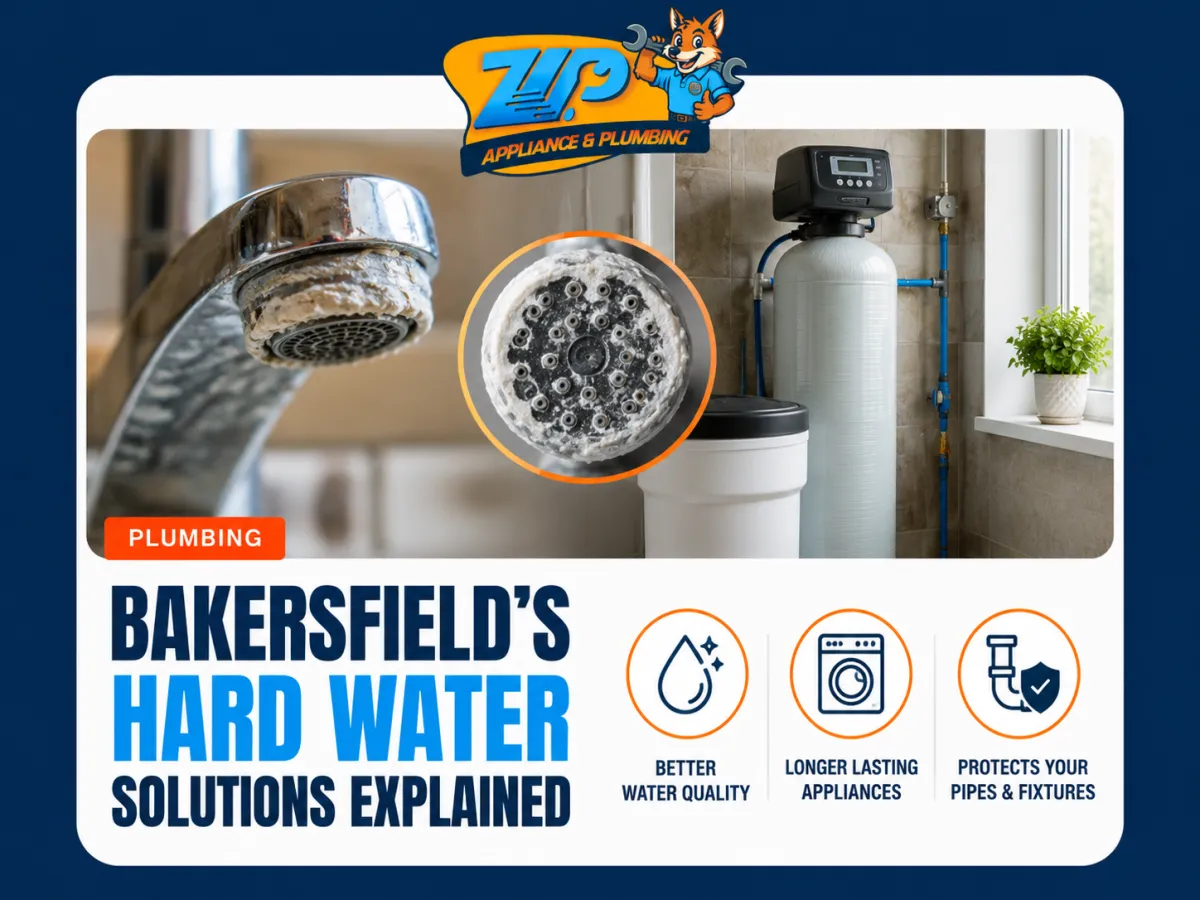
Bakersfield's Hard Water Solutions Explained
Home, Bakersfield Water, Hard Water Solutions
Why Bakersfield Has Some of the Hardest Water in California — And How to Fix It
If you live in Bakersfield and feel like your dishes never look quite clean, your skin feels tight after a shower, or your water heater seems to give out too soon, you are not imagining it. Bakersfield water is among the hardest in California, and that has real effects on your home, your budget, and even your comfort. The good news: with the right hard water solutions and a properly sized water softening system, you can take control of your water quality instead of putting up with it. If mineral buildup has already started affecting your water heater or hot water consistency, addressing hardness is often the first step toward a lasting fix. For a deeper look at how our team approaches these issues locally, visit our water softener installation page.
What Makes Bakersfield Water So Hard?
To understand why Bakersfield water is so challenging, it helps to know what hard water actually is. In simple terms, water hardness refers to the amount of dissolved minerals—mainly calcium and magnesium—present in your tap water. The more of these minerals, the “harder” the water. While these minerals are not usually harmful to drink, they can be extremely hard on plumbing, appliances, and anything that comes into contact with water daily. If you are curious how this shows up in your specific neighborhood, our water quality testing service can give you precise hardness numbers.
Bakersfield sits in California’s Central Valley, a region known for rich agriculture—and very mineral-heavy groundwater. Much of the local supply comes from groundwater aquifers that have been in contact with sedimentary rock and soil for years. As water moves through layers of limestone, sandstone, and other mineral-rich formations, it naturally dissolves calcium and magnesium. By the time that groundwater is pumped up and delivered as Bakersfield tap water, it often measures in the “very hard” range on standard water quality scales.
📊 Real-world example: In some Bakersfield neighborhoods, routine water tests have shown hardness readings above 250–300 ppm. That is more than double the level many national plumbing associations consider “hard,” which helps explain why residents see so much scale buildup compared to friends or family in other parts of California. To see how we design systems around these higher readings, explore our water softening solutions for Bakersfield homes.
💡 Quick definition: Hard water is typically anything above 120 parts per million (ppm) of dissolved minerals. Many areas of Bakersfield exceed this, putting them firmly in the “very hard” category.
How California Water Issues Shape Bakersfield’s Supply
Bakersfield water doesn’t exist in a vacuum. It is part of the broader story of California water issues, which include drought cycles, heavy agricultural demand, and a complex system of canals and imported water. All of these factors influence local water quality and hardness levels in Kern County and the surrounding region. Our team works with these realities every day when designing whole-house water treatment systems.
Drought and groundwater pumping: During dry years, more water is drawn from underground aquifers. As water tables drop, the remaining groundwater can become more concentrated with minerals, increasing hardness in Bakersfield water supplies.
Agricultural demand: Kern County is one of the most productive farming regions in the country. Large-scale irrigation and groundwater use put additional pressure on local sources, shaping both the availability and quality of water delivered to homes.
Imported water blends: Some Bakersfield neighborhoods receive a mix of local groundwater and imported surface water from state and federal projects. Depending on the blend, hardness levels can fluctuate, but they rarely drop into the “soft” range without treatment.
“During the last major drought, one Southwest Bakersfield subdivision saw its average hardness jump by nearly 70 ppm over just a few years as more groundwater was pumped to make up for reduced surface supplies. Homeowners noticed faster scale buildup on fixtures and a spike in water heater issues long before they ever saw the official test results.”
All of this adds up to a reality many residents already feel in their daily routines: Bakersfield water is safe to drink by regulatory standards, but it is far from gentle. It is a prime example of how California water issues can show up not just in the news, but in your shower, your dishwasher, and your utility bills. If you are starting to notice these signs, our licensed team at Zip Does Plumbing can help you plan a tailored solution on our plumbing services page.
Everyday Signs You’re Dealing with Hard Water at Home
You do not need a laboratory to tell you your water is hard. In Bakersfield, the symptoms tend to show up all around the house. If you recognize several of these, there is a good chance your home could benefit from hard water solutions such as a dedicated water softening system. You can see how we install and maintain these systems on our water softener installation page.
Stubborn white spots on dishes and glassware: Those cloudy spots that never seem to rinse off are mineral deposits left behind when hard water evaporates. Even with rinse aid, Bakersfield water can leave a telltale film.
Soap scum in showers and tubs: Hard water reacts with soap to form a sticky residue that clings to tile, glass, and fixtures. That dull, chalky buildup on your shower door is a classic sign of very hard water.
Dry, itchy skin and dull hair: Because hard water interferes with soaps and shampoos, it can leave a residue on your skin and hair. Many Bakersfield residents notice their skin feels tight after showering, or that their hair looks flat and harder to manage.
Reduced water pressure: Over time, mineral scale can accumulate inside showerheads and faucet aerators, narrowing the openings and lowering flow. In more severe cases, mineral buildup inside pipes can contribute to noticeable pressure loss.
Appliances wearing out too soon: Water heaters, dishwashers, and washing machines all suffer when exposed to very hard water. Scale buildup makes them work harder, use more energy, and often fail years earlier than they should.
🏠 Case study – Northwest Bakersfield family: A family of four in Northwest Bakersfield reported replacing two dishwashers in under 8 years due to internal scale and leaks. After installing a whole-home softener, they noticed spot-free dishes within a week and, five years later, their third dishwasher is still running like new with no major repairs. Stories like this are common in our customer reviews from across Bakersfield.
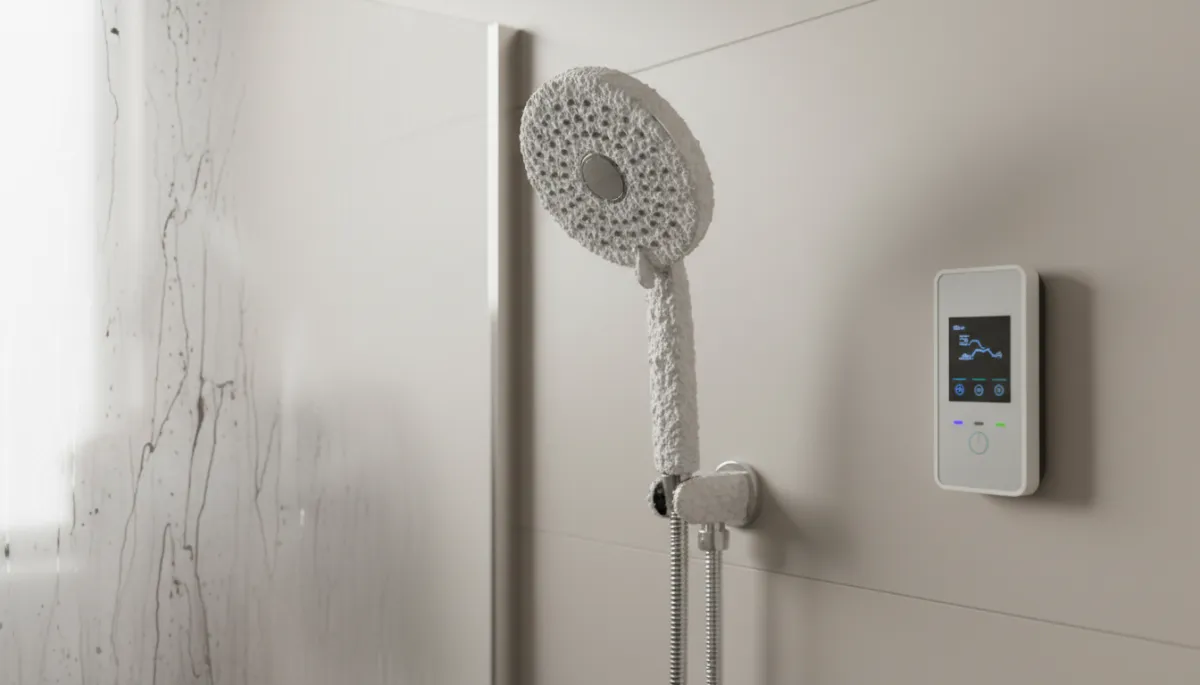
Scale buildup in bathrooms often disappears within weeks after installing a quality water softener.
Is Bakersfield Water Safe? Understanding Water Quality vs. Comfort
It is important to separate two ideas: regulatory water quality and day-to-day water comfort. Bakersfield water providers are required to meet state and federal drinking water standards. That means the water is tested for contaminants such as bacteria, nitrates, and certain chemicals, and must stay within strict limits to be considered safe to drink from a health standpoint.
Hardness, however, is not considered a health hazard. The minerals that make water “hard” are naturally occurring and, in small amounts, can even contribute to your daily intake of calcium and magnesium. Because of this, the state does not require utilities to soften water before delivering it to homes. As a result, many communities with extremely hard water—like Bakersfield—meet all safety standards while still causing headaches for homeowners and renters alike.
👨👩👧 Real-world comfort gap: One East Bakersfield renter shared that her tap water passed every city test, yet her young daughter’s eczema flared after every bath. After moving into a home with a softener already installed, the family noticed less skin irritation and fewer doctor visits, even though the water was still coming from the same municipal source. If you are in a similar situation, our Bakersfield plumbing specialists can help you compare comfort-focused options.
📌 Key takeaway: Bakersfield water can be legally “safe” and still be harsh on your skin, pipes, and appliances. Water softening is about comfort, protection, and long-term savings—not just safety.
How Hard Water Damages Your Home and Budget Over Time
The effects of hard water are gradual, which is why many Bakersfield residents get used to them and write them off as “just the way it is.” But over the years, the costs add up. Understanding these hidden costs can make it easier to see why investing in hard water solutions is more than just a luxury—it is a form of home protection.
Water heater efficiency drops: When minerals from Bakersfield water settle inside your water heater, they form a hard layer of scale on the heating elements or the bottom of the tank. This acts like insulation, forcing the heater to use more energy to warm the same amount of water. Studies have shown that heavy scale can increase energy use by 20–30% over time.
Appliance lifespan shortens: Dishwashers and washing machines exposed to very hard water often develop internal scale deposits, clogged lines, and mineral-encrusted components. That can mean replacing an appliance years earlier than you would in a home with softened water, which quickly becomes an expensive pattern.
More cleaning products and time: Because hard water makes soaps and detergents less effective, you may find yourself using extra laundry detergent, more dish soap, and stronger bathroom cleaners just to keep up. That is money and time that could be better spent elsewhere.
Potential plumbing repairs: In extreme cases, years of mineral buildup can narrow pipes and contribute to corrosion, especially in older plumbing systems. While this does not happen overnight, the combination of age and very hard Bakersfield water can create real repair bills down the line.
💰 Case study – Older East Bakersfield home: A homeowner with a 20-year-old water heater and galvanized pipes faced repeated lukewarm showers and noisy “popping” sounds from the tank. A plumber found several inches of hardened scale at the bottom of the heater and significant buildup in nearby lines. The combined cost of replacing the heater and repairing plumbing was over $3,000. Installing a softener earlier could have prevented most of that damage. You can learn more about preventing these types of repairs on our water heater services page.
Water Softening 101: How It Works and Why It Helps
The most effective way to tackle hard Bakersfield water at the source is with a water softening system. While there are different technologies on the market, the classic whole-home softener—also known as an ion-exchange water softener—remains the gold standard for dealing with very hard water, as we see in much of Kern County. Our step-by-step installation process is outlined on our water softener installation page.
How Ion-Exchange Water Softeners Work
Inside a traditional water softener, the hard water from your main supply line flows through a tank filled with tiny resin beads. These beads carry a negative charge and are coated with sodium or potassium ions. Because calcium and magnesium in hard water are positively charged, they are attracted to the resin beads and “stick” to them. In exchange, the softer sodium or potassium ions are released into the water. This process removes the hardness minerals before the water ever reaches your faucets, showers, or appliances.
Over time, the resin beads become saturated with calcium and magnesium. The system then goes through a regeneration cycle, flushing a concentrated salt solution through the resin tank to wash away the accumulated minerals and recharge the beads. Modern systems are designed to manage this process automatically, often at night when water use is low.
🔍 Bakersfield installation snapshot: In a Southwest Bakersfield home with hardness readings around 280 ppm, an ion-exchange softener was installed on the main line. Within the first month, the family reported less film on shower doors, soaps lathering more easily, and a noticeable drop in the “chalky” feel of tap water used for handwashing. You can see similar examples and FAQs on our dedicated Bakersfield water softeners page.
Benefits You’ll Notice with Softer Bakersfield Water
Softer skin and hair after showers, with less dryness and irritation.
Cleaner, shinier dishes and glassware with fewer spots and streaks.
Less soap scum and mineral buildup on sinks, tubs, and shower doors, which means easier cleaning and fewer harsh chemicals.
Improved efficiency and longer life for water heaters, dishwashers, and washing machines, potentially saving hundreds or even thousands of dollars over the years.
📈 Case study – Energy and maintenance savings: A Bakersfield couple tracked their gas bills and maintenance receipts for a year before and after installing a softener. After installation, they saw an estimated 15–20% reduction in water heating costs and went from descaling showerheads every month to only a quick wipe-down during regular cleaning. For more examples of how softening ties into overall plumbing health, visit our plumbing maintenance page.
Other Hard Water Solutions: Softeners, Conditioners, and Filters
While a traditional softener is the most direct way to reduce hardness in Bakersfield water, it is not the only option. Depending on your priorities—such as reducing salt use, protecting only certain appliances, or improving taste—there are several hard water solutions to consider. Our team can walk you through these options during a free consultation.
Salt-Free Water Conditioners
Salt-free systems, often called water conditioners or descalers, do not remove calcium and magnesium from the water. Instead, they change the way minerals behave by altering their crystal structure. The goal is to reduce the ability of minerals to stick to surfaces and form hard scale. These systems can help protect pipes and appliances, but they typically do not deliver the same “silky” feel in showers or the same cleaning improvements as full water softening. For extremely hard Bakersfield water, they are often best used as a supplement rather than a complete replacement.
🧪 Example – Conditioner on a rental property: A landlord with several Bakersfield rentals installed salt-free conditioners to reduce maintenance calls for clogged showerheads and scaled fixtures. While tenants did not report much change in how the water felt, the landlord saw fewer service requests for severe scale removal, especially in units with older fixtures. For rental-friendly options, see our landlord plumbing services page.
Point-of-Use Filters and Reverse Osmosis
If your main concern is drinking water taste or specific contaminants, under-sink filters and reverse osmosis (RO) systems can be excellent additions. RO units push water through a semi-permeable membrane, removing a wide range of impurities and reducing mineral content at a single tap. However, they do not protect your entire home from hardness issues. Many Bakersfield homeowners pair a whole-home water softener with a kitchen RO system for the best of both worlds: soft water for cleaning and bathing, and highly purified water for drinking and cooking.
👩🍳 Kitchen upgrade example: A Southwest Bakersfield homeowner installed a whole-home softener plus an RO system at the kitchen sink. Coffee and tea tasted noticeably cleaner, and they stopped buying bottled water for cooking and drinking—saving an estimated $40–$50 per month while cutting down on plastic waste. To see which RO options we recommend locally, visit our reverse osmosis systems page.
Short-Term Fixes While You Plan a Long-Term Solution
Use vinegar soaks to remove mineral scale from showerheads and faucet aerators.
Choose detergents and shampoos labeled for hard water, which are formulated to work better with mineral-heavy water.
Regularly flush your water heater to reduce sediment buildup and improve efficiency, especially important with Bakersfield’s high hardness levels.
⏳ Realistic expectations: One Bakersfield condo owner relied on vinegar soaks and specialty cleaners for years. While these tricks kept fixtures usable, they still battled spots on glassware and recurring scale. After finally adding a compact softener, they described the short-term fixes as “band-aids” compared to the day-and-night difference of treated water. If you are ready to move beyond band-aid fixes, you can schedule a visit on our schedule service page.
Choosing the Right Water Softening System for a Bakersfield Home
Not all water softeners are created equal, and Bakersfield’s unique water profile means it is worth choosing carefully. Here are some practical factors to keep in mind when evaluating systems and installers for your home:
Hardness level and water use: Ask for a current hardness reading for your neighborhood, or have a professional test your water. The higher the hardness and the more people in your home, the larger the softener capacity you will need to avoid frequent regeneration cycles.
Salt efficiency and regeneration: Modern softeners can be very efficient with both salt and water during regeneration. Look for systems that adapt to your actual water use rather than regenerating on a fixed timer, which is especially helpful in areas with variable California water supplies.
Bypass options: Many homeowners prefer to bypass outside hose bibs so they can still use unsoftened Bakersfield water for outdoor plants and lawns, while keeping softened water inside the home where it matters most.
Local expertise: Working with a company familiar with Bakersfield water and broader California water issues can make a big difference. They will understand local hardness patterns, building codes, and the most effective system setups for our region.
📌 Example – Right-sized system choice: A large household in Southwest Bakersfield (two adults, three kids) initially considered a small, big-box-store softener. After a professional hardness test and usage review, they chose a higher-capacity, demand-initiated system instead. The result: fewer regeneration cycles, less salt used, and consistent soft water even on laundry-heavy weekends. You can see how we size systems like this on our water treatment page.
Living Better with Softer Water in Bakersfield
Hard water is such a normal part of life in Bakersfield that many people assume there is no alternative. But you do not have to keep scrubbing soap scum, replacing scaled-up appliances, or dealing with dry, uncomfortable skin every time you shower. By understanding the unique challenges of Bakersfield water and the broader California water issues behind it, you can make informed choices that improve your home and daily life for years to come.
Whether you choose a full water softening system, a combination of softening and filtration, or a set of targeted hard water solutions, the key is to treat your water as an important part of your home—just like your roof, your HVAC, or your insulation. Softer water protects your investment, reduces hidden costs, and makes everyday tasks just a little bit easier and more enjoyable. To explore which option fits your budget and home, start with our overview on the water treatment services page.
Bakersfield may have some of the hardest water in California, but with the right approach, your home does not have to feel that way. A thoughtful plan for improving your water quality can turn a constant source of frustration into one of the quiet comforts of living well in the Central Valley.
🏡 Bakersfield success story in a nutshell: After years of fighting spots, scale, and dry skin, a Southwest Bakersfield homeowner installed a whole-home softener plus RO at the kitchen sink. Within a few months, they reported clearer glassware, shorter cleaning routines, fewer plumbing issues, and noticeably softer showers—all from addressing one root cause: very hard local water. You can read more stories like this on our customer testimonials page.
📞 Ready to soften your Bakersfield water? For professional water softening and hard water solutions, contact Zip Does Plumbing today at (661) 370-2701 or visit https://www.zipdoesplumbing.com to schedule your service. You can also use our online form at zipdoesplumbing.com/contact to request a quote or ask questions about your specific water concerns.